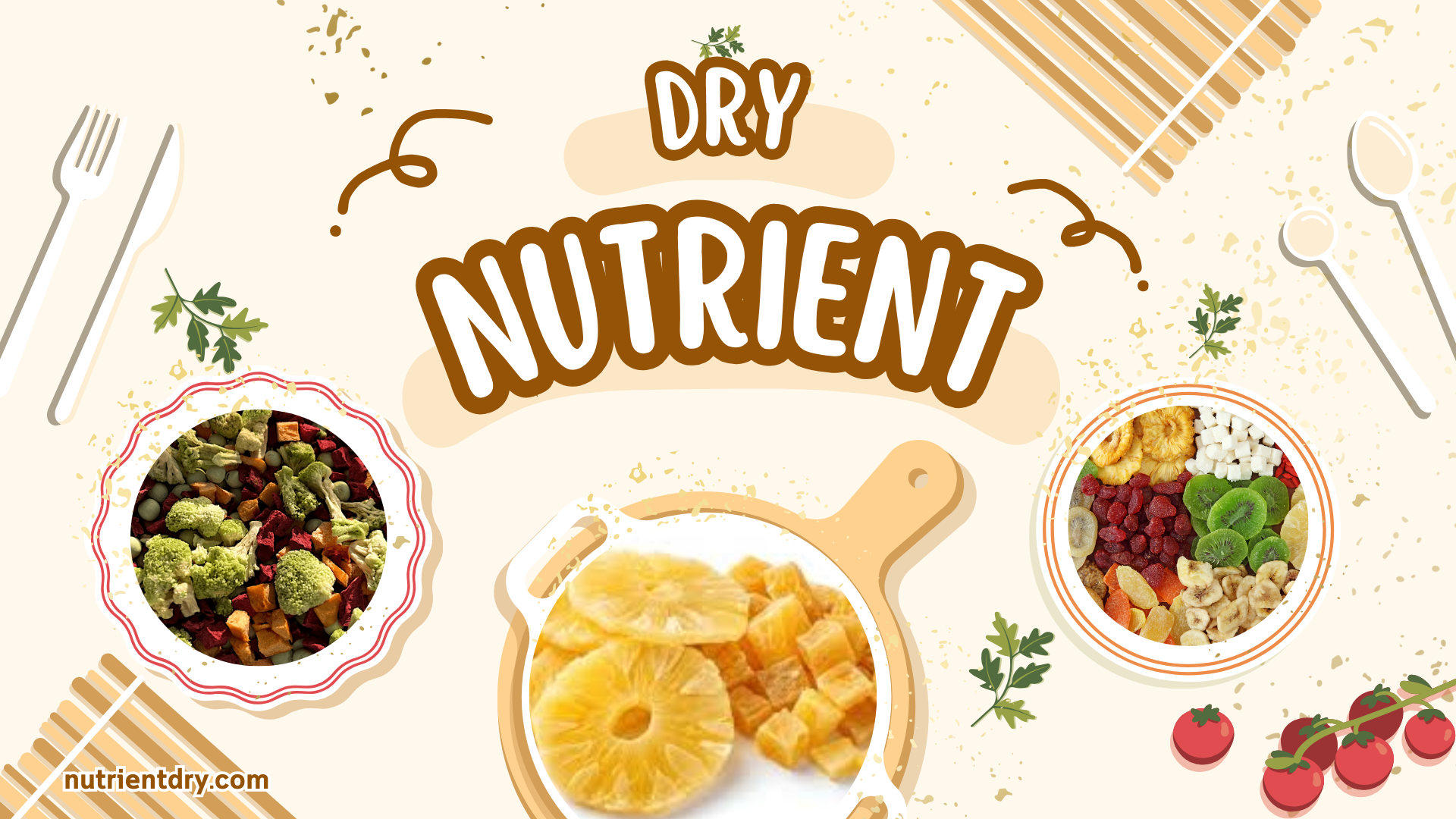
Discover the hidden potential of dehydrated fruits and vegetables! Learn how they enhance your diet, maximize nutrition, and add flavor to every meal. As people become more health-conscious and look for long-lasting, natural food options, dehydrated fruits and vegetables are gaining massive popularity. They offer convenience, nutrition, and versatility—making them ideal for homes, hotels, food manufacturers, and exporters.
At Nutrient Dry, we focus on delivering premium-quality dehydrated fruits and vegetables that retain their natural taste and nutritional value.
Nutritional Value of Dehydrated Produce
One of the biggest advantages of dehydrated fruits and vegetables is their concentrated nutrition. Since water is removed during dehydration, essential nutrients remain intact.
Key nutritional benefits include:
- High dietary fiber for better digestion
- Rich in vitamins and minerals like iron, potassium, and magnesium
- Natural antioxidants that support immunity
- No artificial preservatives when processed hygienically
This makes naturally dehydrated fruits and vegetables a powerful addition to a balanced diet.
Health Benefits of Incorporating Dehydrated Foods
Adding healthy dehydrated foods to your daily routine can improve overall well-being.
Major health benefits:
- Supports gut health due to high fiber
- Helps in weight management as they are filling
- Provides quick energy for active lifestyles
- Ideal for people looking for clean-label food products
Because they are lightweight and shelf-stable, dehydrated fruits for daily consumption are perfect for busy households and travel.
How Dehydration Preserves Flavor and Nutrients
The dehydration process removes moisture at controlled temperatures, helping preserve the natural flavor, color, and nutrients of fruits and vegetables.
Unlike frying or canning:
- No oil is required
- No chemicals are added
- The original taste becomes more intense
This is why dehydrated vegetables for cooking are widely used in soups, sauces, and ready-to-eat food products.
Popular Methods for Dehydrating Fruits and Vegetables
Different dehydration methods are used depending on quality requirements:
- Hot Air Drying – Most common for commercial production
- Sun Drying – Traditional but climate-dependent
- Freeze Drying – Best nutrient retention (premium category)
- Solar Drying – Eco-friendly alternative
At Nutrient Dry, we follow hygienic dehydration techniques to ensure consistent quality.
Tips for Choosing Quality Dehydrated Products
When buying dehydrated fruits and vegetables online, always look for:
- No added sugar or artificial colors
- Uniform size and natural appearance
- Airtight and food-grade packaging
- Clear sourcing and processing details
Choosing a trusted dehydrated fruits and vegetables manufacturer ensures better taste, safety, and shelf life.
Creative Ways to Use Dehydrated Fruits and Vegetables in Cooking
Dehydrated produce is extremely versatile and easy to use:
- Add dehydrated fruits to cereals, yogurt, and smoothies
- Use dehydrated vegetables in curries, soups, and gravies
- Make powders for seasoning, soups, and sauces
- Use in baking, snacks, and ready-to-eat meals
This versatility makes them popular among home cooks, hotels, and food processors.
Comparing Dehydrated vs. Fresh Produce: Pros and Cons
Dehydrated Produce – Advantages
- Long shelf life
- Easy storage and transport
- Reduced food wastage
- Available year-round
Fresh Produce – Advantages
- Higher water content
- Softer texture
- Best for immediate use
Both are important, but dehydrated fruits and vegetables for bulk supply are more practical for long-term use.
Storage and Shelf Life of Dehydrated Foods
Proper storage helps maintain quality and freshness:
- Store in a cool, dry place
- Keep away from moisture and sunlight
- Use airtight containers
- Refrigeration can extend shelf life
When stored correctly, dehydrated fruits and vegetables can last 6–12 months or longer.
Conclusion: Embracing Dehydrated Fruits and Vegetables in Your Diet
Dehydrated fruits and vegetables are a smart choice for modern lifestyles. They offer nutrition, convenience, long shelf life, and intense flavor—all without compromising quality. Whether you are a household consumer, retailer, or food manufacturer, dehydrated produce adds real value.
At Nutrient Dry, we are committed to supplying high-quality dehydrated fruits and vegetables in India and for export, ensuring purity, hygiene, and consistency.
Start choosing better. Start choosing dehydrated.