
The global demand for dehydrated & freeze-dried fruits has increased significantly in recent years. Consumers around the world are shifting toward healthy snacks, natural ingredients, and long-shelf-life foods, which has created strong demand for processed fruit products.
Food manufacturers, snack brands, cereal producers, and beverage companies use dehydrated and freeze-dried fruits in many products, including:
- Breakfast cereals
- Granola and snack bars
- Smoothie powders
- Dairy products and yogurt
- Bakery and confectionery items
Fruits such as mango, strawberry, apple, banana, pineapple, blueberry, papaya, and guava are widely traded in dehydrated or freeze-dried form.
With its large fruit production and expanding food-processing sector, India is becoming an important supplier in the global dehydrated fruit industry. Companies like Nutrient Dry Dehydrated Products contribute to this growth by supplying premium-quality processed fruits to international markets.
Understanding Dehydrated and Freeze-Dried Fruits
What Are Dehydrated Fruits?



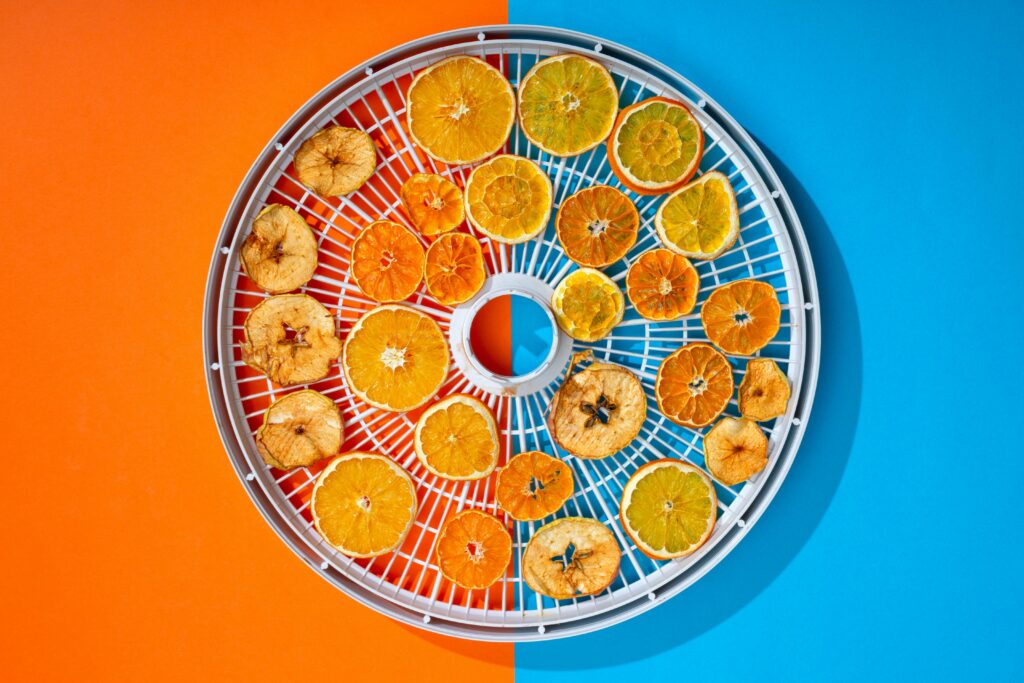
Dehydrated fruits are fresh fruits that have most of their moisture removed through controlled drying processes, usually hot-air drying.
Removing water helps to:
- Extend shelf life
- Prevent microbial growth
- Preserve flavor and nutrients
- Reduce transportation weight
Common dehydrated fruits include:
- Mango
- Apple
- Banana
- Pineapple
- Papaya
- Guava
These fruits are widely used in snack foods, cereals, bakery products, and food manufacturing.
What Are Freeze-Dried Fruits?
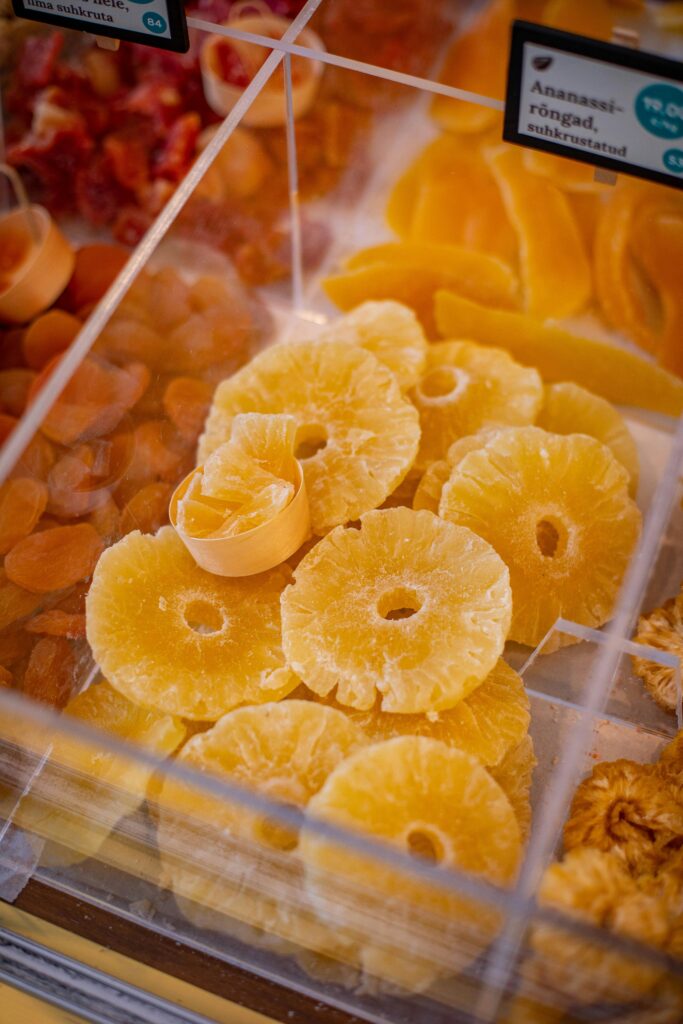
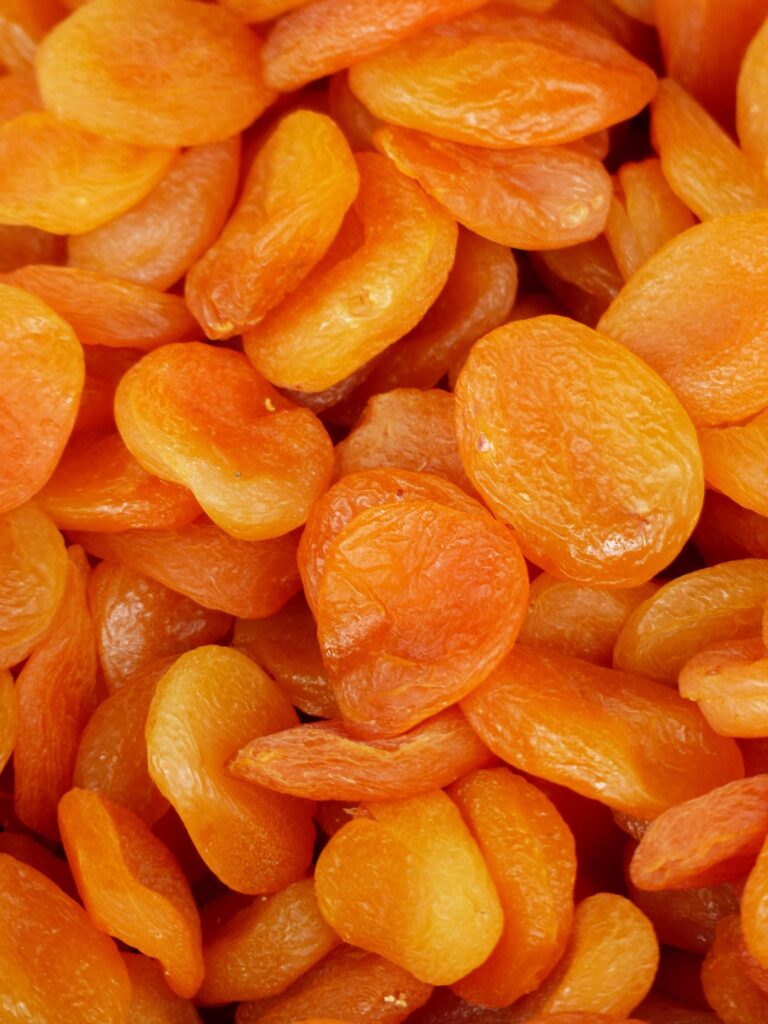
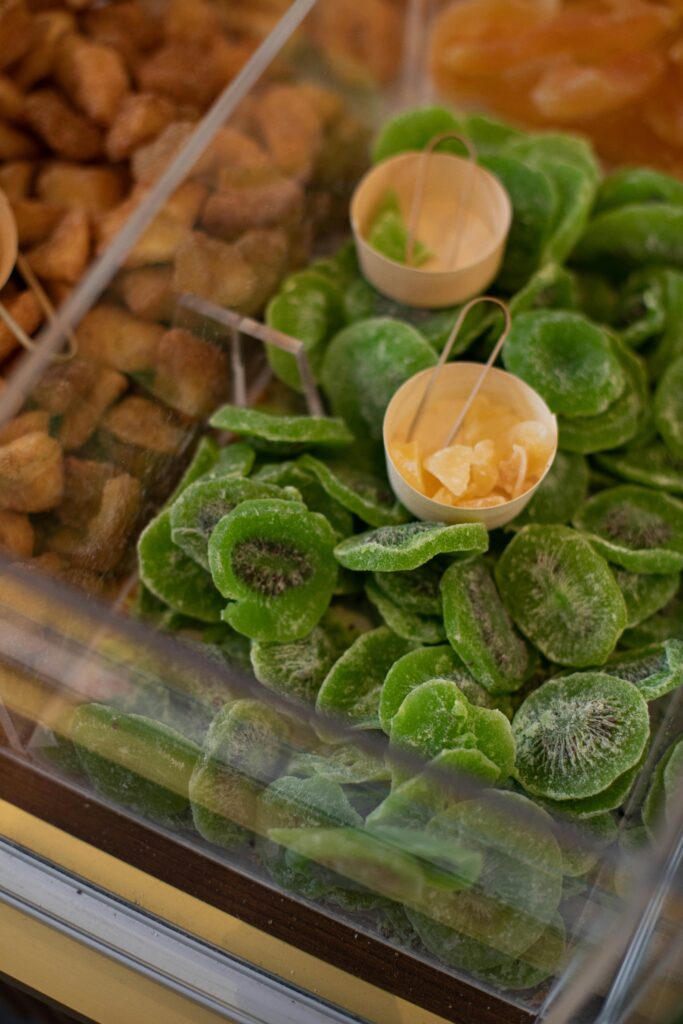
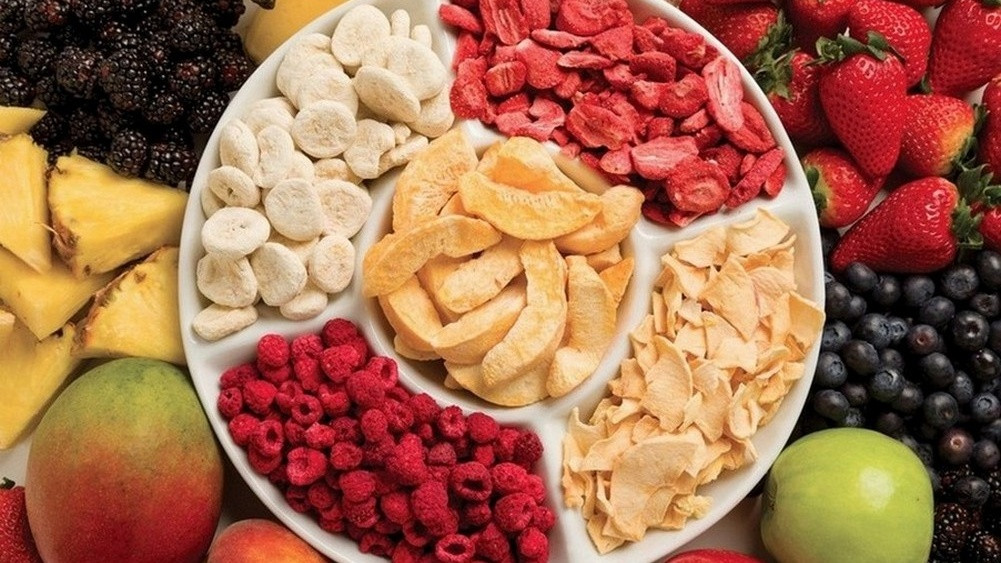
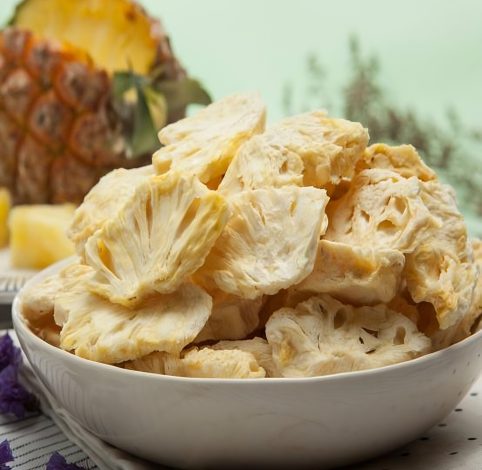
Freeze-drying is an advanced preservation method where fruits are frozen and dried under vacuum conditions. This process removes moisture while maintaining the fruit’s structure.
Freeze-dried fruits retain:
- Natural color
- Original flavor
- Nutritional value
- Light and crispy texture
Popular freeze-dried fruits include:
- Strawberry
- Mango
- Blueberry
- Raspberry
- Pineapple
These products are especially popular in premium snacks, health foods, and nutritional products.
Global Market Size of Dehydrated and Freeze-Dried Fruits
The processed fruit industry operates on a large global scale.
Global Dehydrated Fruit Production
The world produces approximately:
3.3 – 3.5 million metric tons of dehydrated fruits every year
These products are widely used in:
- Snack foods
- Breakfast cereals
- Bakery products
- Food processing industries
Dehydrated fruits are popular because they provide concentrated flavor and long shelf life.
Global Freeze-Dried Fruit Production
Freeze-dried fruits represent a smaller but rapidly expanding market segment.
Estimated global production:
40,000 – 50,000 metric tons annually
The demand for freeze-dried fruits continues to increase due to their premium quality and nutritional value.
Global Demand for Major Dehydrated & Freeze-Dried Fruits
Different fruits have varying levels of demand depending on their taste, availability, and use in food products.
Mango
Global Demand
80,000 – 120,000 metric tons annually
Mango is one of the most popular tropical fruits used in processed food products.
Applications include:
- Fruit snacks
- Smoothies
- Energy bars
- Breakfast cereals
India Export
25,000 – 35,000 metric tons annually
Major importing markets include the USA, UAE, United Kingdom, and Europe.
Strawberry
Global Demand
50,000 – 70,000 metric tons annually
Strawberries are especially popular in freeze-dried form.
Common applications:
- Chocolates and confectionery
- Yogurt products
- Granola and cereals
- Premium snacks
India Export
5,000 – 8,000 metric tons annually
Major markets include Japan, South Korea, Europe, and the USA.
Apple
Global Demand
250,000 – 350,000 metric tons annually
Apple is one of the most widely used dehydrated fruits globally.
Applications include:
- Bakery products
- Apple pie fillings
- Snack foods
- Breakfast cereals
India Export
20,000 – 30,000 metric tons annually
Banana
Global Demand
180,000 – 220,000 metric tons annually
Banana products are widely used in:
- Snack foods
- Trail mixes
- Breakfast cereals
- Baby food
India Export
30,000 – 40,000 metric tons annually
Pineapple
Global Demand
120,000 – 160,000 metric tons annually
Pineapple is widely used in desserts, bakery products, and fruit snacks.
India Export
15,000 – 20,000 metric tons annually
Blueberry
Global Demand
40,000 – 60,000 metric tons annually
Blueberries are highly valued for their antioxidant properties, making them popular in health foods.
India Export
2,000 – 4,000 metric tons annually
Papaya and Guava
Global Demand
30,000 – 50,000 metric tons annually
These tropical fruits are gaining popularity in fruit snacks and desserts.
India Export
8,000 – 12,000 metric tons annually
Data Comparison: Global Demand vs India Export vs Containers
The following table shows a comparison between global demand, India’s export volume, and estimated container requirements for shipping.
| Fruit | Global Demand (MT) | India Export (MT) | Containers Required |
|---|---|---|---|
| Mango | 80k – 120k | 25k – 35k | 1100 – 1500 |
| Strawberry | 50k – 70k | 5k – 8k | 200 – 350 |
| Apple | 250k – 350k | 20k – 30k | 900 – 1300 |
| Banana | 180k – 220k | 30k – 40k | 1300 – 1700 |
| Pineapple | 120k – 160k | 15k – 20k | 650 – 850 |
| Blueberry | 40k – 60k | 2k – 4k | 80 – 170 |
| Papaya & Guava | 30k – 50k | 8k – 12k | 350 – 500 |
(Container estimates based on average 24 MT capacity per 20-foot shipping container.)
Export Logistics and Container Capacity
Dehydrated and freeze-dried fruits are typically exported using sea freight containers.
Standard container capacity
| Container Type | Average Capacity |
|---|---|
| 20-foot container | 21–25 metric tons |
| 40-foot container | 25–27 metric tons |
Because dehydrated fruits are relatively dense cargo, exporters often prefer 20-foot containers for efficient shipping.
Major Importing Countries for Dehydrated & Freeze-Dried Fruits
Countries with strong demand for processed fruits include:
- United States
- Germany
- United Kingdom
- Japan
- Netherlands
- UAE
- South Korea
- Canada
These countries import dehydrated fruits for use in snack foods, cereals, dairy products, and health supplements.
Packaging Standards for Export
Export packaging must protect products during long-distance transportation.
Common packaging methods include:
- Food-grade laminated bags
- Vacuum-sealed pouches
- 10–20 kg export cartons
- Palletized shipping cartons
These packaging systems ensure product safety, hygiene, and freshness during shipping.
Nutrient Dry – Supplying Premium Dehydrated & Freeze-Dried Fruits
At Nutrient Dry Dehydrated Products, we focus on producing high-quality dehydrated and freeze-dried fruits for international markets.
Our products include:
- Dehydrated mango
- Dehydrated pineapple
- Dehydrated apple
- Dehydrated banana
- Dehydrated papaya
- Freeze-dried strawberry
- Freeze-dried mango
- Freeze-dried blueberry
Why global buyers choose Nutrient Dry
- Premium fruit sourcing
- Advanced dehydration and freeze-drying technology
- Strict hygiene and quality standards
- Export-ready packaging
- Reliable global supply
Our mission is to deliver hygienic, long-lasting, and high-quality processed fruits to global food manufacturers and distributors.
Global Demand for Dehydrated & Freeze-Dried Fruits Conclusion

The global demand for dehydrated & freeze-dried fruits continues to grow as consumers seek healthier and more convenient food options.
With global production reaching millions of metric tons annually, fruits such as mango, apple, banana, pineapple, strawberry, and blueberry play a vital role in the international food industry.
India has significant potential to expand exports thanks to its large fruit production capacity and growing processing sector. Companies like Nutrient Dry Dehydrated Products are helping meet this demand by delivering premium dehydrated and freeze-dried fruits that meet global quality standards.
Global Demand for Dehydrated & Freeze-Dried Fruits (FAQs)
Global buyers choose Nutrient Dry Dehydrated Products because of its commitment to quality, hygiene, and reliable supply.
The company offers:
✔ Premium fruit sourcing
✔ Advanced dehydration and freeze-drying technology
✔ Strict food safety and hygiene standards
✔ Export-ready packaging
✔ Reliable large-scale supply for international markets
By combining quality processing with global export capabilities, Nutrient Dry aims to be a trusted supplier for food manufacturers, distributors, and importers worldwide.
Exporters must comply with international food safety standards such as:
HACCP
ISO food safety management systems
FSSAI certification
US FDA compliance
European food safety regulations
Nutrient Dry Dehydrated Products follows strict quality control processes and food safety standards to ensure products meet global export requirements.
India exports large quantities of dehydrated fruits annually, including:
Mango: 25,000 – 35,000 metric tons
Banana: 30,000 – 40,000 metric tons
Apple: 20,000 – 30,000 metric tons
Pineapple: 15,000 – 20,000 metric tons
Companies like Nutrient Dry Dehydrated Products help strengthen India’s position in the global processed fruit market by supplying export-quality dehydrated and freeze-dried fruits.
Some of the most demanded processed fruits globally include:
Mango
Apple
Banana
Pineapple
Strawberry
Blueberry
Papaya
Guava
Nutrient Dry Dehydrated Products supplies many of these fruits in dehydrated and freeze-dried forms to support the needs of food manufacturers, distributors, and international buyers.
How to Section:
How Nutrient Dry Supports the Global Demand for Dehydrated & Freeze-Dried Fruits
- Sourcing High-Quality Fresh Fruits
The quality of dehydrated and freeze-dried fruits depends largely on the quality of raw fruits used in processing.
At Nutrient Dry, only carefully selected fresh fruits are used. These include:
Mango
Apple
Banana
Pineapple
Strawberry
Blueberry
Papaya
Guava
Selecting high-quality fruits helps ensure that the final products maintain natural flavor, color, and nutritional value, which is essential for meeting the growing global demand for dehydrated & freeze-dried fruits. - Applying Advanced Processing Technology
To meet the global demand for dehydrated & freeze-dried fruits, modern technology is essential.
Nutrient Dry Dehydrated Products uses two main processing methods:
Hot-air dehydration for producing dehydrated fruits
Freeze-drying technology for premium freeze-dried fruits
These technologies remove moisture while preserving the natural flavor and nutrients of the fruits. - Maintaining Strict Hygiene and Quality Control
Food safety and hygiene are critical in the processed fruit industry. To ensure consistent Food safety is very important in the processed fruit industry. International buyers expect high hygiene standards.
At Nutrient Dry, strict quality control is maintained through:
Proper fruit washing and sorting
Clean processing environments
Sanitized equipment
Continuous quality inspections
These practices ensure that products meet international export standards.arkets. - Preparing Export-Ready Packaging
Proper packaging is essential for maintaining product freshness and safety during transportation.
Nutrient Dry Dehydrated Products uses export-grade packaging solutions such as:
Food-grade laminated bags
Vacuum-sealed pouches
10–20 kg bulk export cartons
Palletized container shipments
These packaging systems protect products from moisture, contamination, and damage during international shipping. - Supporting Global Export Logistics
Meeting the global demand for dehydrated & freeze-dried fruits requires reliable supply and efficient logistics.
Nutrient Dry supports international buyers by providing:
Container-scale shipments
Consistent production capacity
Reliable delivery schedules
Export-ready documentation
This ensures that buyers receive products on time and in excellent condition. - Building Long-Term Global Partnerships
The processed fruit industry is built on trust. Reliable suppliers maintain strong relationships with their clients.
Nutrient Dry Dehydrated Products works with:
Food manufacturers
International distributors
Snack and cereal brands
Health food companies
By maintaining consistent quality and reliable supply, Nutrient Dry continues to serve the growing global market for dehydrated and freeze-dried fruits.